psychic

Publication Index

Articles, Papers and Books


Home > Articles > Psychical Phenomena > Psi Modeling > Experiential Phase of Psi
line

Quantum Psychics Buy Now
line

Buy the The Book
line

Sponsored Links

line

QPsychics.com Newsletter

Keep up-to-date on new articles, resources, and more.

E-mail:
 Subscribe     Unsubscribe
List to subscribe to:

Add Us On: Join us on Facebook Join us on Twitter Join us on MySpace

Psychic Quiz


Our 21st Century Psychical Organizations

"With confidence in the importance of utilizing the investigative mode of the established sciences in order to inquire into the authenticity and to potentially explain the nature of psychical phenomena."

Click an Organization to Join or Contribute

Donate to our Cause

If the information on this site helps you and you'd like to make a donation to QPsychics.com, please click the donate button. The amount you donate is entirely up to you.


Memory Models

By Theresa M. Kelly, MsD.
Metaphysicist

“A psychic experience that informs one that a good friend has just died obviously would not activate a memory of the friend dead, but would likely activate networks of memories that involve the friend, death in general, and perhaps the manner in which the friend might be likely to die.”- Richard Broughton

line

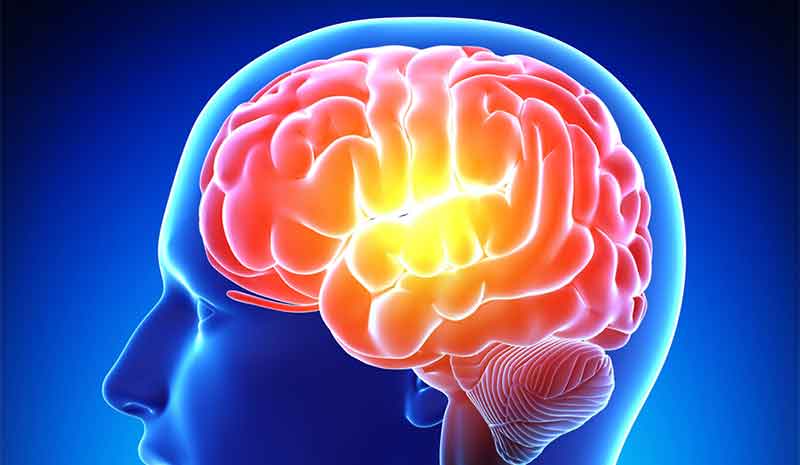
Experiential Phase of Psi modeling attempts to explain the psychological aspects of how and when human beings are able to utilize psi.  The means by which psi mediates information within an experient remains unexplained in its entirety.

However, several models have been presented that look very promising including models involving quantum mechanical approaches to cognition, and memory models.

Such models of psi manifestation attempt to explain how extrasensory information enters the central nervous system or information processing center, and how the system deals with that information

A large quantity of ESP based data has become comprehensible due to memory models in which assume that the systemic source of extrasensory information is somehow localized in the long-term memory. These models correlate with both intentional and spontaneous ESP experiences.

Studies pertaining to memory modeling have suggested that psi processes in regards to ESP are, or in regards to PK may be, dependent upon memorial processes as a means of expression. In other words, it appears that Nature and or other people can communicate with people via a person’s own experiential data.

Such data includes images and language (e.g. vocabulary) from the recipients own long-term memory; rendering individuals with a great deal of life experience more likely to coherently decipher received information than those with little life experience.

Memory-based models suggest that during ESP information transfer, the recipient is not receiving a large amount of information, which would be the case if receiving imagery, but rather very little information in which is sufficient enough to activate the appropriate systems in order to elaborate the “message” into consciousness.

Even though psi phenomena are assumed a result of the unconscious state, they are considered in correlation to what an individual does, rather than what happens to the individual.

line

Source

(Adapted from the book series “A Quantum Approach” by Theresa M. Kelly, MsD.)

line

Related Articles

line


Health
QP Network University of Alternative Studies QPPResearch Inc.